Beyond Doomscrolling: Gen Z’s Dumbphone Challenge Reshapes Internet Culture

Exhausted by endless algorithmic feeds and constant notification anxiety? The viral Gen Z Dumbphone Challenge is inspiring thousands of young adults to ditch their smartphones for 28 days of intentional offline living.
By trading touchscreens for basic flip phones and tactile keypads, participants are breaking free from chronic doomscrolling. This digital detox movement is rapidly reshaping youth internet culture, proving that real-world presence beats infinite scrolling.
Whether you are craving deeper focus or simply looking to reclaim your screen-free evenings, stepping back from hyper-connectivity can reset your attention span. Here is how this minimalist tech trend works and what happens when you unplug for a month.
The Genesis of the Dumbphone Challenge
The 28-Day ‘Dumbphone’ Challenge emerged from a collective desire among Gen Z to reclaim autonomy over their digital lives. It represents a counter-cultural movement against the always-on demands of modern smartphones and social media platforms.
Initially gaining momentum through online communities and university campuses, the challenge quickly spread nationwide. Participants report significant shifts in their attention spans, social interactions, and overall mental well-being, highlighting its profound impact.
This initiative directly addresses the phenomenon of doomscrolling, where individuals compulsively consume negative news and social media content. The challenge offers a tangible escape from this cycle, promoting intentional engagement with the physical world.
Understanding the ‘Dumbphone’ Concept
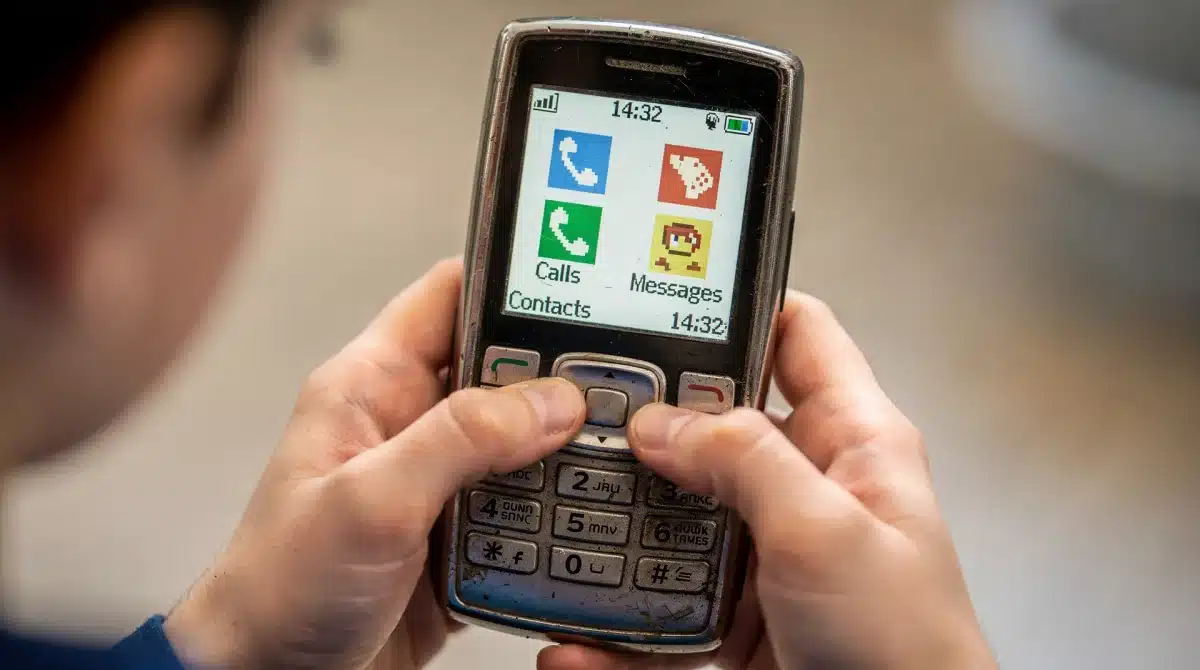
A ‘dumbphone’ refers to a mobile phone with limited functionality, primarily designed for calls and text messages. These devices lack internet browsing, social media apps, and complex operating systems, forcing users to simplify their digital habits.
The deliberate simplicity of these phones is central to the challenge’s effectiveness. By removing distractions, participants are compelled to engage with their immediate environment and human connections more directly, rather than through a screen.
This return to basics is proving revolutionary for many Gen Z individuals who have grown up in an hyper-connected world. It highlights how deeply ingrained smartphone use has become and the surprising liberation found in its absence.
The Mechanics of the 28-Day Challenge
Participants commit to using only a ‘dumbphone’ for 28 consecutive days, abstaining from all smartphone activities. This includes social media, endless browsing, and app-based entertainment, focusing solely on essential communication.
The challenge encourages participants to document their experiences, often sharing insights through journals or pre-scheduled, limited online updates. This self-reflection reinforces the benefits and challenges encountered during the detox period.
Support networks, both online and offline, play a crucial role in maintaining commitment. These communities provide encouragement, share strategies for coping with withdrawal symptoms, and celebrate successes, reinforcing the collective nature of the Gen Z Dumbphone Challenge.
- Initial Discomfort: Many report feeling disoriented and anxious in the first few days due to the sudden lack of constant digital stimulation.
- Increased Presence: Participants quickly notice an enhanced ability to focus on conversations, tasks, and surroundings.
- Re-evaluation of Habits: The challenge prompts a critical look at prior smartphone usage and its impact on daily life.
Impact on Gen Z Internet Culture Across America
The Gen Z Dumbphone Challenge is significantly reshaping how young Americans perceive and interact with the internet. It highlights a growing disillusionment with the relentless demands of digital platforms and a yearning for more authentic experiences.
This shift is leading to a re-evaluation of digital literacy, moving beyond mere technical proficiency to encompass mindful and intentional online engagement. Gen Z is actively seeking ways to curate their digital environments for mental well-being.
The challenge has sparked broader conversations about digital ethics, privacy, and the psychological effects of constant connectivity. It is pushing for a more balanced approach to technology, where digital tools serve human needs rather than dictating them.
Shifting Social Dynamics and Communication
Without the constant distraction of smartphones, participants report a marked improvement in face-to-face interactions. Conversations become deeper, and social gatherings feel more present and engaging.
Communication patterns also evolve, with a greater reliance on direct calls and text messages for essential contacts. This fosters a more deliberate approach to reaching out, reducing the superficiality often associated with instant messaging apps.
The challenge encourages a return to traditional forms of socialising, such as meeting friends without a pre-planned digital itinerary. This organic interaction strengthens interpersonal bonds and reduces feelings of isolation often exacerbated by social media.
Beyond Doomscrolling: Mental Health and Well-being
A primary driver for the Gen Z Dumbphone Challenge is the desire to combat doomscrolling and its detrimental effects on mental health. The constant exposure to negative news and social media comparisons can lead to increased anxiety, stress, and depression.
By removing the tools for doomscrolling, participants experience a significant reduction in digital overload. This creates mental space for introspection, creativity, and engagement in activities that genuinely foster well-being.
Reports from participants consistently highlight improvements in sleep quality, reduced feelings of overwhelm, and a greater sense of calm. These benefits underscore the profound psychological relief offered by a digital detox.
Reclaiming Attention and Productivity
The absence of constant notifications and endless feeds allows individuals to reclaim their attention spans. This leads to enhanced focus on academic work, professional tasks, and personal hobbies, boosting overall productivity.
Participants discover they have more time for activities they previously neglected, such as reading, exercising, or pursuing creative outlets. This reallocation of time contributes to a more fulfilling and balanced lifestyle.
The challenge fosters a greater awareness of how digital distractions fragment attention and hinder deep work. It encourages the development of strategies for maintaining focus even after the 28 days are complete, promoting sustained productivity.
Challenges and Adaptations in the Digital Age
While the benefits are significant, navigating a modern world with a ‘dumbphone’ presents its own set of challenges. Access to navigation, mobile banking, and essential apps becomes limited, requiring careful planning and adaptation.
Participants often devise creative solutions, such as using public computers or relying on friends for smartphone-dependent tasks. These workarounds highlight the pervasive integration of smartphones into daily life and the ingenuity required to circumvent them.
The challenge also prompts a critical discussion about digital accessibility and equity. Not everyone has the privilege of disconnecting, raising questions about how to foster digital well-being in a universally connected society.

Long-Term Habits and Sustained Change
The ultimate goal of the Gen Z Dumbphone Challenge extends beyond the 28-day period; it aims to instil lasting habits for mindful technology use. Many participants report a permanent shift in their digital behaviour.
Post-challenge, individuals often adopt a more intentional approach to smartphone use, deleting unnecessary apps, setting screen time limits, and consciously choosing when and how to engage online. Some even continue using a ‘dumbphone’ or a hybrid approach.
This sustained change contributes to a broader cultural movement towards digital minimalism and intentional living. The challenge serves as a powerful catalyst for individuals to redefine their relationship with technology on their own terms.
The Future of Digital Wellness and Gen Z
The Gen Z Dumbphone Challenge serves as a powerful testament to a generation actively redefining its relationship with technology. This movement is not merely about nostalgic tech but about a profound re-evaluation of digital consumption and its impact on well-being.
It signals a future where mindful digital engagement, rather than constant connectivity, becomes the standard, pushing back against the pervasive culture of doomscrolling.
As more young people embrace such initiatives, we can anticipate a continued shift in digital culture, potentially influencing tech design and policy, pushing for more ethical and less addictive digital products.
As younger generations demand greater control over their digital environments, industries will need to adapt.
The conversation initiated by the challenge extends beyond personal habits, touching upon broader societal implications concerning mental health, privacy, and the ethical responsibilities of tech companies.
Monitoring these evolving trends will be crucial in understanding how Gen Z Dumbphone Challenge continues to shape the digital landscape in America.
| Key Point | Brief Description |
|---|---|
| Challenge Overview | 28-day digital detox using a basic ‘dumbphone’ to reduce smartphone dependency. |
| Impact on Gen Z | Reshaping internet culture, fostering mindful tech use and reducing doomscrolling. |
| Mental Health Benefits | Improved focus, reduced anxiety, better sleep, and increased real-world engagement. |
| Future Implications | Potential for lasting changes in digital habits and influencing tech industry trends. |
Frequently Asked Questions About the Dumbphone Challenge
The 28-Day ‘Dumbphone’ Challenge involves participants swapping their smartphones for basic feature phones, known as ‘dumbphones’, for a period of 28 days. This digital detox aims to reduce screen time, minimise digital distractions, and encourage more mindful engagement with the real world, moving beyond constant connectivity and doomscrolling.
Gen Z is embracing the challenge primarily to combat the negative mental health impacts associated with excessive smartphone use, such as anxiety, stress from doomscrolling, and social media comparison. They seek to reclaim their attention spans, improve real-world interactions, and foster a healthier relationship with technology, pushing for digital wellness.
Participants commonly report significant benefits including improved mental clarity, reduced anxiety, enhanced focus and productivity, and better sleep quality. Many also note a stronger sense of presence in social interactions and a renewed appreciation for offline activities, directly counteracting the effects of constant digital immersion and doomscrolling.
By replacing smartphones with ‘dumbphones’, participants eliminate access to social media feeds and news apps, which are primary sources of doomscrolling. This forced disconnection breaks the compulsive cycle of consuming negative information, allowing individuals to redirect their attention to more positive and productive outlets, thereby improving their overall digital well-being.
Many participants report lasting changes in their digital habits, even after the challenge concludes. These often include more intentional smartphone use, setting stricter screen time limits, deleting non-essential apps, and prioritising real-world interactions over digital ones. The challenge serves as a catalyst for a more mindful and balanced approach to technology, moving beyond doomscrolling.
Looking Ahead: The Evolution of Digital Culture
The Gen Z Dumbphone Challenge serves as a powerful testament to a generation actively redefining its relationship with technology. This movement is not merely about nostalgic tech but about a profound re-evaluation of digital consumption and its impact on well-being.
It signals a future where mindful digital engagement, rather than constant connectivity, becomes the standard, pushing back against the pervasive culture of doomscrolling.
As more young people embrace such initiatives, we can anticipate a continued shift in digital culture, potentially influencing tech design and policy, pushing for more ethical and less addictive digital products.
As younger generations demand greater control over their digital environments, industries will need to adapt.
The conversation initiated by the challenge extends beyond personal habits, touching upon broader societal implications concerning mental health, privacy, and the ethical responsibilities of tech companies.
Monitoring these evolving trends will be crucial in understanding how Gen Z Dumbphone Challenge continues to shape the digital landscape in America.