Avoiding Viral Backlash: 6 Practical Solutions for Brands in 2026

Avoiding Viral Backlash is no longer a matter of luck; it is a calculated discipline of modern brand survival. In the hyper-connected landscape of 2026, a single misunderstood post can ignite a reputational firestorm that scales globally in minutes.
To maintain a resilient public image, companies must transition from reactive damage control to proactive digital sentiment monitoring. Safeguarding your corporate identity requires an acute understanding of how social algorithms amplify collective outrage and consumer skepticism.
The following six strategies provide a roadmap for maintaining brand integrity amidst shifting cultural currents. By prioritizing authenticity and rapid-response protocols, you can ensure your organization remains a trusted voice in an increasingly volatile marketplace.
Understanding the Dynamics of Viral Backlash in 2026
The speed at which information, or misinformation, spreads online has reached unprecedented levels, making avoiding viral backlash a primary concern for any brand.
In 2026, enhanced AI algorithms and ever-present social platforms mean that a single misstep can ignite a global firestorm of negative sentiment, often disproportionate to the initial incident.
Consumers are more empowered and vocal than ever, leveraging platforms to hold brands accountable for their actions, statements, and even perceived intentions.
This heightened scrutiny means that every campaign, every public statement, and every customer interaction carries significant reputational weight, amplifying the need for stringent oversight.
Brands must recognise that viral backlash is not merely a PR problem; it can directly impact sales, investor confidence, and long-term brand loyalty. Proactive risk assessment and a deep understanding of evolving societal values are therefore indispensable for navigating this complex environment effectively.
The Role of Hyper-Connected Audiences
Today’s audiences are not just consumers; they are active participants in brand narratives, capable of immediate and collective action.
Their collective voice, amplified by social media, can rapidly transform a minor grievance into a major crisis, underscoring the urgency for brands to master the art of avoiding viral backlash.
This hyper-connectivity means that brands can no longer operate in silos, oblivious to public sentiment or emerging cultural shifts.
Instead, they must cultivate a continuous feedback loop, listening intently to their audience and adapting their strategies in real-time to prevent potential flashpoints.
- Real-time Monitoring: Implement advanced social listening tools to track brand mentions and sentiment across all major platforms.
- Community Engagement: Actively participate in online conversations, responding to feedback and addressing concerns before they escalate.
- Influencer Vetting: Carefully select and vet influencers to ensure their values align with the brand, mitigating risks associated with their past or future actions.
Anticipating Emerging Cultural Sensitivities
Cultural sensitivities are constantly evolving, and what might have been acceptable yesterday could be deeply offensive tomorrow.
Brands must possess a keen awareness of these shifts to prevent unintentional missteps that can trigger widespread outrage and make avoiding viral backlash more challenging.
This requires more than just superficial diversity and inclusion initiatives; it demands a genuine commitment to understanding and respecting diverse perspectives.
Brands should engage with cultural experts and diverse focus groups to pre-emptively identify potential areas of concern in their messaging and campaigns.
Solution 1: Proactive Social Listening and Sentiment Analysis
One of the most critical strategies for avoiding viral backlash in 2026 involves establishing robust systems for proactive social listening and sentiment analysis.
This goes beyond simply tracking mentions; it requires a sophisticated approach to understanding the underlying mood and direction of public discourse around your brand.
By leveraging AI-powered tools, brands can monitor conversations across all relevant platforms, identifying nascent trends, emerging criticisms, and potential reputational threats before they gain significant traction.
This real-time intelligence allows for swift intervention and strategic adjustments, preventing minor issues from escalating into full-blown crises.
Effective sentiment analysis helps differentiate between general dissatisfaction and targeted negative campaigns, enabling brands to allocate resources efficiently and respond appropriately.
It’s about being informed and agile, turning potential weaknesses into opportunities for demonstrating responsiveness and care.
Implementing Advanced Monitoring Tools
To truly excel at avoiding viral backlash, brands need to invest in cutting-edge social listening platforms that offer comprehensive data collection and analytical capabilities.
These tools should provide granular insights into audience demographics, sentiment trends, and the virality potential of specific topics.
Beyond off-the-shelf solutions, some brands are developing bespoke AI models trained on their specific industry and audience data to detect highly nuanced shifts in public opinion. This level of customization allows for a more precise identification of risks, enabling more targeted and effective preventative actions.
- AI-Powered Alerts: Configure alerts for sudden spikes in negative sentiment or mentions of sensitive keywords.
- Competitor Analysis: Monitor competitor performance and backlash incidents to learn from their successes and failures.
- Trend Forecasting: Utilise data to anticipate future viral trends and adapt content strategies accordingly.
Establishing a Rapid Response Protocol
Having the data is only half the battle; brands must also have a clear, well-rehearsed rapid response protocol in place to act on insights from social listening.
This protocol should outline clear lines of communication, decision-making authority, and pre-approved messaging templates for various scenarios, crucial for avoiding viral backlash.
A dedicated crisis communication team, trained to operate under pressure, is essential. This team should be empowered to make quick, informed decisions, ensuring that responses are timely, empathetic, and consistent across all channels, thus maintaining brand integrity during turbulent times.
Solution 2: Cultivating Authenticity and Transparency
In an era of increasing skepticism, authenticity and transparency are paramount for avoiding viral backlash and building enduring trust with consumers.
Brands that are genuine about their values, transparent in their operations, and honest in their communication are far less likely to be targeted by public outrage.
Consumers are adept at detecting corporate spin and performative activism, and any perceived inauthenticity can quickly lead to accusations of hypocrisy, fueling viral criticism.
Therefore, every brand action, from marketing campaigns to internal policies, must reflect a consistent and sincere commitment to its stated principles.
Transparency extends to admitting mistakes, addressing criticisms directly, and communicating openly about challenges or changes. This approach fosters a sense of respect and understanding, making audiences more forgiving and less inclined to participate in negative viral trends.
Aligning Brand Actions with Brand Values
The core of authenticity lies in ensuring that a brand’s actions consistently align with its stated values.
Discrepancies between what a brand says and what it does are a primary catalyst for viral backlash, making this alignment critical for avoiding viral backlash effectively.
This requires a deep internal audit of corporate practices, supply chains, employee relations, and environmental impact.
Brands that genuinely embody their values, rather than merely broadcasting them, build a foundation of trust that is resilient against public scrutiny.
Open Communication and Feedback Loops
Transparency also means fostering open communication channels and actively seeking out feedback, both positive and negative.
Brands should view criticism not as an attack, but as an opportunity for improvement and deeper engagement, a key strategy for avoiding viral backlash.
Establishing forums for direct dialogue, engaging in honest Q&A sessions, and providing clear avenues for customer service complaints can transform potential detractors into advocates.
When consumers feel heard and respected, they are less likely to resort to public shaming as a means of seeking resolution.
Solution 3: Diversifying Content and Platform Strategy
Relying heavily on a single content format or social media platform can significantly increase a brand’s vulnerability to viral backlash.
A diversified content and platform strategy is crucial for avoiding viral backlash, allowing brands to spread their message, engage different audiences, and mitigate risks across various digital ecosystems.
By distributing content across a range of platforms, from established social networks to niche communities and emerging digital spaces, brands can reach a broader audience while also hedging against the unique algorithmic biases and community dynamics of any single platform.
This diversification also allows for tailored messaging that resonates more deeply with specific segments.
Furthermore, diversifying content types, incorporating long-form articles, interactive experiences, video series, and audio podcasts, ensures that a brand’s narrative is not solely dependent on short-form, often context-limited, content.
This richer tapestry of communication helps convey nuance and depth, reducing misinterpretation.

Tailoring Content for Each Platform
Each digital platform has its own unique culture, audience expectations, and content consumption patterns. A one-size-fits-all approach to content often falls flat and can even backfire, making platform-specific tailoring vital for avoiding viral backlash.
Brands should invest in understanding the nuances of each platform, adapting their tone, format, and messaging to align with native user behaviors.
What works on TikTok might not resonate on LinkedIn, and attempting to force content across platforms without adaptation can lead to awkwardness or even offense.
- Platform-Specific Campaigns: Develop campaigns designed specifically for the strengths and audience of each platform.
- Community Guidelines Adherence: Ensure all content strictly adheres to the community guidelines and content policies of each platform to avoid automatic flagging or removal.
- Emerging Platform Exploration: Continuously explore and test new platforms to identify early opportunities for engagement and audience building.
Investing in Owned Media Channels
While social media offers unparalleled reach, brands should also heavily invest in owned media channels, such as their official websites, blogs, and email newsletters.
These channels provide a controlled environment where brands can communicate directly with their audience without algorithmic interference or the volatile dynamics of third-party platforms, aiding in avoiding viral backlash.
Owned media serves as a reliable hub for official statements, detailed explanations, and customer support during times of crisis. It allows brands to tell their story on their own terms, providing essential context and factual information that might be lost or distorted on social media.
Solution 4: Empathy-Driven Crisis Communication
When a crisis inevitably strikes, the manner in which a brand communicates can either exacerbate the situation or help in avoiding viral backlash.
Empathy-driven crisis communication is paramount, focusing on genuine understanding, sincere apology (when appropriate), and clear steps towards resolution.
A cold, corporate, or defensive response often fuels public anger, whereas a human-centered approach can de-escalate tension and even garner sympathy.
This means acknowledging the impact on affected individuals, expressing genuine regret, and prioritising the well-being of the community over immediate damage control.
The speed of response is critical, but so is its quality. A delayed, poorly worded statement can be more damaging than no statement at all.
Brands must be prepared to communicate swiftly, clearly, and with unwavering empathy, maintaining transparency throughout the process.
Prioritising Human Connection in Responses
In the digital age, it is easy for brands to appear faceless and impersonal. During a crisis, however, prioritising human connection in every response is vital for avoiding viral backlash.
This means using empathetic language, avoiding jargon, and demonstrating a clear understanding of the public’s concerns.
Personalised responses, where feasible, can make a significant difference, showing that the brand values each individual’s perspective. It’s about moving beyond automated replies and generic statements to foster a sense of genuine dialogue and care.
Learning from Mistakes and Implementing Change
Perhaps the most powerful aspect of empathy-driven crisis communication is the willingness to learn from mistakes and implement tangible changes.
A sincere apology without accompanying action rings hollow and can further erode trust, making it harder for avoiding viral backlash.
Brands should clearly articulate the steps they are taking to address the root cause of the backlash, providing timelines and measurable commitments.
This demonstrates accountability and a commitment to improvement, transforming a negative event into an opportunity for growth and stronger brand-consumer relationships.
Solution 5: Building a Strong Internal Culture
The external reputation of a brand is inextricably linked to its internal culture. A strong, ethical, and inclusive internal culture is a powerful preventative measure for avoiding viral backlash, as employee actions and sentiments often become public, either intentionally or unintentionally.
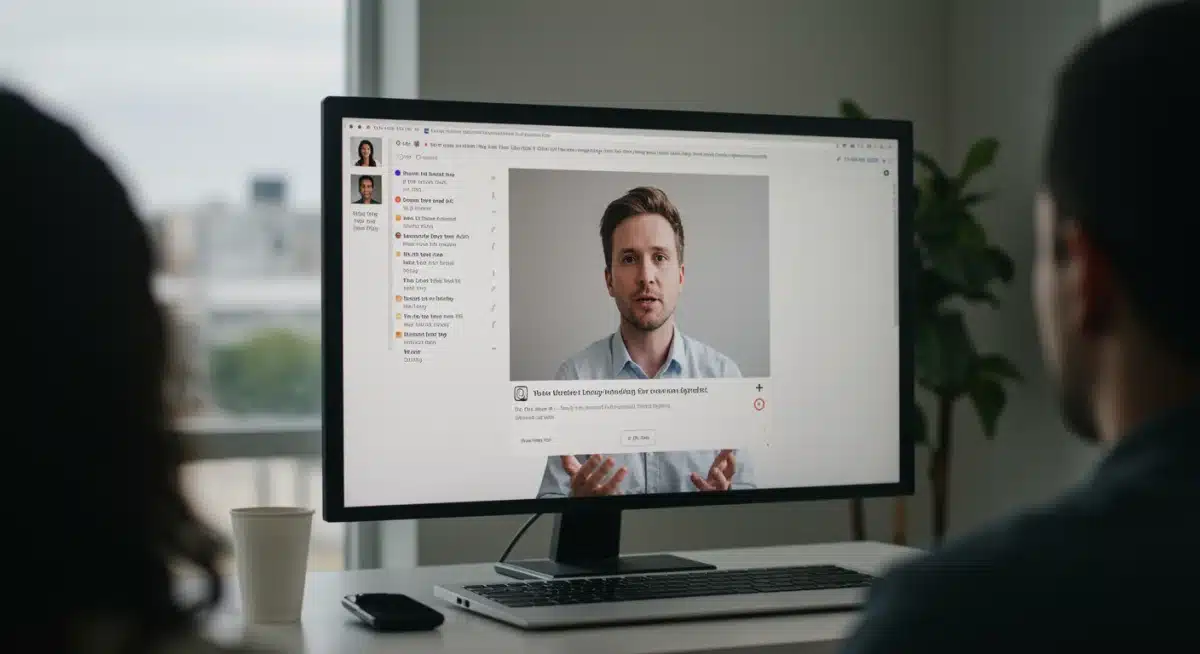
Employees are often the first line of defense and the most authentic brand ambassadors. When they feel valued, respected, and aligned with the company’s mission, they are less likely to contribute to negative narratives and more likely to defend the brand during public scrutiny.
Conversely, a toxic internal environment, discriminatory practices, or unethical leadership can quickly leak into the public domain, sparking intense viral criticism. Investing in a positive workplace culture is therefore not just good HR practice; it is a critical component of brand risk management and key to avoiding viral backlash.
Empowering Employees as Brand Advocates
Empowering employees to be brand advocates involves more than just providing them with company merchandise; it means fostering an environment where they genuinely believe in the brand’s mission and values.
This internal alignment is crucial for avoiding viral backlash, as employee voices carry significant weight.
Brands should invest in internal communication, transparent leadership, and opportunities for employee feedback. When employees feel heard and respected, they become powerful, authentic voices defending the brand online, often more effectively than any paid advertisement.
- Internal Communication: Regularly update employees on company news, values, and public perception.
- Ethics Training: Provide comprehensive training on ethical conduct and social media guidelines.
- Recognition Programs: Acknowledge and reward employees who embody brand values and contribute positively to its reputation.
Promoting Diversity, Equity, and Inclusion
A commitment to diversity, equity, and inclusion (DEI) is not just a moral imperative but also a strategic necessity for avoiding viral backlash in 2026.
Brands that genuinely champion DEI both internally and externally are often perceived more positively and are less likely to face criticism related to cultural insensitivity or unfair practices.
This involves actively recruiting diverse talent, creating an inclusive workplace where all voices are heard, and ensuring that marketing and product development reflect a broad spectrum of experiences. Superficial DEI efforts are easily exposed and can lead to significant reputational damage.
Solution 6: Continuous Learning and Adaptation
The digital landscape of 2026 is characterised by its relentless pace of change. Therefore, the final, overarching solution for avoiding viral backlash is a commitment to continuous learning and adaptation. Brands cannot afford to be complacent; what worked yesterday may not work tomorrow.
This involves regularly reviewing and updating crisis communication plans, refining social listening strategies, and staying abreast of emerging technologies and societal trends.
A culture of continuous improvement ensures that brands remain agile and responsive to new challenges.
Furthermore, learning from both internal incidents and the experiences of other brands is invaluable.
Post-mortem analyses of backlash events, whether your own or a competitor’s, can provide critical insights into vulnerabilities and effective response mechanisms, making avoiding viral backlash a more manageable task.
Regularly Updating Crisis Communication Plans
A crisis communication plan is not a static document; it requires regular review and updates to remain effective. Brands must periodically stress-test their plans, simulating various backlash scenarios to identify weaknesses and refine response protocols, ensuring readiness for avoiding viral backlash.
This includes updating contact lists, pre-approving messaging, and training new team members. The digital tools and platforms used for communication also evolve rapidly, necessitating continuous adaptation of the technical aspects of the plan.
Staying Ahead of Digital Trends and Technologies
The rapid evolution of digital trends and technologies presents both opportunities and risks for brands. Proactively staying informed about new platforms, AI capabilities, and content formats is essential for avoiding viral backlash and maintaining a relevant and engaging online presence.
Brands should allocate resources for research and development in digital strategy, experimenting with new approaches and understanding how emerging technologies might impact public perception.
Being an early adopter or at least a rapid follower can provide a competitive advantage and help in pre-empting future challenges.
| Key Solution | Benefit for Brands |
|---|---|
| Proactive Listening | Early detection of negative sentiment and emerging threats. |
| Authenticity | Builds strong trust and reduces susceptibility to criticism. |
| Diversified Strategy | Spreads risk and expands reach across various platforms. |
| Empathy in Crisis | De-escalates situations and fosters forgiveness during backlash. |
Frequently Asked Questions
The primary challenge is the unprecedented speed and scale at which viral trends, both positive and negative, can impact brand reputation. Hyper-connected audiences and advanced AI algorithms mean missteps can quickly escalate into widespread backlash, making proactive measures essential for brand survival and growth.
Proactive social listening leverages AI tools to monitor online conversations and sentiment in real-time. This allows brands to identify emerging criticisms or potential threats before they go viral, enabling swift intervention and strategic adjustments to prevent minor issues from escalating into major reputational crises.
Authenticity builds trust and resilience against public scrutiny. Consumers are highly adept at detecting insincerity, and any perceived misalignment between a brand’s stated values and its actions can quickly lead to accusations of hypocrisy and subsequent viral backlash. Genuine transparency fosters stronger connections.
Diversifying content across various platforms and formats helps spread risk and ensures a brand’s message isn’t solely reliant on one channel. It allows for tailored messaging, reduces vulnerability to algorithmic changes on single platforms, and provides more context, minimising misinterpretation and potential backlash triggers.
Effective response hinges on empathy-driven crisis communication, prioritising human connection, sincere apologies (when warranted), and clear steps towards resolution. Rapid, transparent, and consistent communication, coupled with a genuine commitment to learning from mistakes and implementing change, can de-escalate situations and rebuild trust.
Perspectives
The landscape for avoiding viral backlash in 2026 demands a sophisticated blend of technological prowess and genuine human understanding.
Brands that commit to proactive listening, unwavering authenticity, diversified strategies, empathetic crisis management, and a culture of continuous learning will be best positioned to thrive.
The ultimate goal is not just to prevent negative outcomes, but to foster resilient brand-consumer relationships that can withstand the inevitable challenges of a hyper-connected world.