US Brands’ 3-Month Meme Marketing Surge in Early 2026
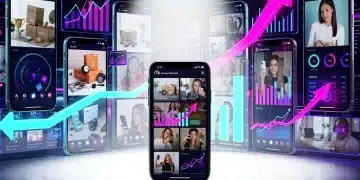
The early 2026 surge in US meme marketing has redefined how brands capture attention in a saturated digital market.
Moving beyond traditional ads, companies are now utilizing high-speed cultural commentary to foster immediate connection with consumers.
This strategy prioritizes “vibe-alignment” over product specs, proving that in 2026, a brand’s ability to speak the language of the internet is its most valuable asset.
The Unprecedented Rise of Meme Marketing in Q1 2026
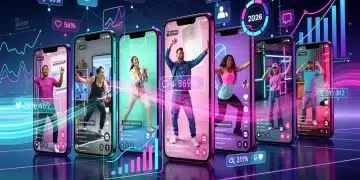
The first quarter of 2026 has seen an extraordinary escalation in the adoption of meme marketing by leading US brands.
This surge is not merely a fleeting trend but a strategic pivot, indicating a deeper understanding of contemporary consumer behaviour.
Brands are moving beyond traditional advertising frameworks, embracing the organic, rapid-fire nature of internet memes to connect with audiences.
This approach offers a novel pathway to authenticity and relatability, crucial elements in today’s crowded digital space.
This period marks a significant departure from previous years, with companies allocating substantial budgets and creative resources specifically to meme-driven campaigns.
The goal is to leverage the inherent virality of memes for brand amplification and engagement.
Driving Forces Behind the US Brands Meme Marketing Phenomenon
Several key factors have converged to fuel this rapid expansion of meme marketing among US brands.
The increasing digital literacy of consumers, coupled with the pervasive influence of social media platforms, creates fertile ground for such strategies.
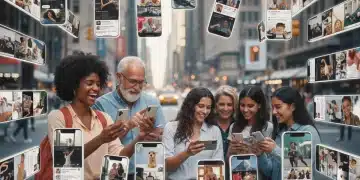
The younger demographics, particularly Gen Z and millennials, are highly receptive to meme-based content, viewing it as native to their online experience.
Brands are recognising that speaking their audience’s language is paramount for effective communication.
Furthermore, the cost-effectiveness and potential for exponential reach make memes an attractive proposition for marketing departments.
A well-executed meme campaign can achieve virality with a fraction of the budget required for conventional advertising.
The Role of Cultural Resonance and Authenticity
Memes thrive on cultural resonance, tapping into shared experiences, inside jokes, and current events.
For US brands, this means aligning their messaging with the prevailing cultural zeitgeist, creating content that feels less like an advertisement and more like a shared moment.
Authenticity is non-negotiable in meme marketing; consumers are quick to identify and reject forced or out-of-touch attempts.
Brands that succeed are those that genuinely understand meme culture and integrate it seamlessly into their brand voice.
- Brands must demonstrate genuine understanding of meme origins and nuances.
- Content should feel organic and not overtly corporate or promotional.
- Rapid response to emerging trends is critical for maintaining relevance.
Strategic Implementation: How Brands are Crafting Viral Campaigns
The successful integration of meme marketing requires more than just sharing popular images; it demands a sophisticated understanding of timing, context, and brand identity.
US brands are developing specialised teams dedicated to identifying and capitalising on viral opportunities.
These teams monitor social media trends obsessively, often engaging in real-time content creation to seize fleeting moments of virality.
Speed and agility are paramount in this fast-paced environment, where a meme’s lifespan can be incredibly short.
Moreover, brands are increasingly collaborating with meme creators and influencers who possess an innate understanding of the culture.
This partnership allows for the creation of content that resonates deeply with target audiences, enhancing the authenticity of the campaign.
Measuring Success in the Meme Economy
Evaluating the effectiveness of meme marketing campaigns presents unique challenges compared to traditional metrics.
While impressions and reach remain important, engagement rates, shareability, and sentiment analysis take centre stage.
Brands are looking at how frequently their meme content is shared, commented on, and adapted by users, indicating true viral spread. The quality of engagement, rather than just quantity, is now a crucial indicator of success.
- Engagement metrics (shares, comments, reactions) are prioritised over simple impressions.
- Sentiment analysis helps gauge public perception and brand association with the meme.
- Tracking user-generated content inspired by brand memes indicates deep cultural penetration.
Early Success Stories from US Brands Capitalising on Viral Meme Marketing
Several US brands have already distinguished themselves through highly effective meme marketing campaigns in early 2026. These early adopters are setting the benchmark for creative and impactful digital engagement.
One notable example involves a fast-food chain that successfully integrated a trending meme format into its promotional material, resulting in a massive surge in online conversation and foot traffic.
The campaign felt natural and humorous, resonating widely.
Another instance saw a tech company using a self-deprecating meme to acknowledge a minor product glitch, turning a potential PR issue into a moment of relatable honesty and strengthening customer loyalty.
This showcases the versatility of meme marketing beyond direct promotion.
Challenges and Pitfalls in the Meme Landscape
Despite the immense potential, meme marketing is not without its risks. Brands must navigate the complexities of internet culture carefully, as missteps can lead to backlash and reputational damage.
The ephemeral nature of memes also means strategies must constantly evolve.
Misunderstanding a meme’s origin or using it inappropriately can quickly alienate audiences. Brands need to invest in cultural intelligence to avoid appearing tone-deaf or exploitative of internet subcultures.
- Risk of misinterpretation or cultural appropriation if memes are not thoroughly understood.
- The rapid evolution of meme culture requires constant monitoring and adaptation.
- Potential for negative associations if a meme later becomes controversial or offensive.
The Future Outlook for US Brands Meme Marketing
The current surge suggests that meme marketing is poised to become a permanent fixture in the digital strategy of US brands.
As technology advances and consumer behaviours continue to shift, the sophistication of these campaigns will undoubtedly increase.
Expect to see more AI-driven tools aiding in meme trend identification and content generation, allowing brands to respond even faster to viral phenomena. Personalisation of meme content may also become a significant differentiator.
The integration of meme marketing into broader omnichannel strategies will also be a key development.
Brands will seek to create cohesive narratives that span across various platforms, with memes playing a crucial role in injecting humour and relatability.
Ethical Considerations and Brand Responsibility
As US brands delve deeper into meme marketing, ethical considerations will become increasingly important.
Brands must ensure their use of memes respects intellectual property, avoids harmful stereotypes, and contributes positively to online discourse.
Transparency about sponsored content, even when presented in a meme format, will be vital for maintaining consumer trust. The line between organic content and paid promotion can blur, requiring clear disclosure.
Furthermore, brands have a responsibility to foster inclusive online environments, ensuring that their meme campaigns do not inadvertently marginalise or offend any segment of their audience. This requires careful consideration of creative choices.
Regulatory Landscape and Industry Standards for Meme Marketing
With the growing prevalence of meme marketing, discussions around potential regulatory frameworks and industry best practices are beginning to emerge.
While the internet’s informal nature often resists strict rules, the scale of brand involvement necessitates some guidelines.
Early conversations among industry bodies suggest a focus on clearer disclosure for sponsored content and guidelines for responsible use of user-generated content. These standards aim to protect both consumers and creators.
The Federal Trade Commission (FTC) in the US is closely observing these developments, particularly concerning deceptive advertising practices. Brands should anticipate evolving regulations that might impact how they engage with meme marketing.
Adapting to a Dynamic Digital Ecosystem
The digital ecosystem is in constant flux, and the ability of US brands to adapt quickly is paramount. This 3-month surge in meme marketing is a testament to the agility required to remain competitive and relevant.
Brands that invest in continuous learning and experimentation within the meme space will be best positioned for long-term success. Stagnation in this area risks being left behind by more innovative competitors.
- Continuous monitoring of social media trends and platforms is essential.
- Investment in skilled talent with deep understanding of internet culture.
- Flexibility in marketing budgets to quickly allocate resources to viral opportunities.
| Key Aspect | Brief Description |
|---|---|
| Meme Adoption Surge | Early 2026 saw a sharp increase in US brands using viral memes strategically. |
| Driving Factors | Cultural resonance, authenticity, and cost-effectiveness drive this marketing shift. |
| Strategic Implementation | Brands employ specialised teams and influencer collaborations for effective campaigns. |
| Future Outlook | Continued growth, AI integration, and evolving ethical guidelines expected. |
Frequently Asked Questions About Meme Marketing
US brands are increasingly embracing meme marketing due to its unparalleled ability to foster authentic connections with digitally native audiences, particularly younger demographics. Memes offer a cost-effective route to viral reach, reflecting cultural relevance and enhancing brand relatability in a highly engaging, non-traditional advertising format. This strategic pivot acknowledges shifting consumer behaviours and the pervasive influence of social media.
The primary challenges for brands using memes include ensuring cultural authenticity to avoid appearing out-of-touch or exploitative, and the risk of misinterpretation or negative associations if a meme’s context changes. The rapid, ephemeral nature of meme trends demands constant monitoring and agile content creation, along with navigating potential intellectual property issues and maintaining brand consistency across diverse campaigns.
Brands measure meme campaign success beyond traditional metrics, focusing heavily on engagement rates such as shares, comments, and reactions, which indicate true virality. Sentiment analysis is crucial for gauging public perception, while tracking user-generated content inspired by brand memes demonstrates deep cultural penetration. The quality and authenticity of interaction are often prioritised over mere impressions, reflecting a shift in evaluation criteria.
All indications suggest that meme marketing is evolving from a trend into a long-term, integral strategy for US brands. Its effectiveness in engaging digitally-savvy consumers and its potential for high ROI are undeniable. Brands are investing in dedicated teams and advanced tools, signifying a sustained commitment. As digital landscapes continue to evolve, meme marketing will likely become more sophisticated and integrated into broader omnichannel approaches.
Brands engaging in meme marketing must prioritise ethical considerations, including respecting intellectual property rights and avoiding harmful stereotypes or cultural appropriation. Transparency regarding sponsored content is vital for maintaining consumer trust. Furthermore, brands hold a responsibility to ensure their meme campaigns contribute positively to online discourse, fostering inclusive environments and preventing any form of marginalisation or offense, requiring careful content review.
Looking Ahead: The Evolving Landscape of Digital Engagement
The 3-month surge in US brands capitalising on viral meme marketing in early 2026 underscores a pivotal shift in digital advertising.
This trend is not merely a passing fad but a clear indicator of how consumer engagement continues to evolve, demanding authenticity, speed, and cultural relevance from brands.
As the digital ecosystem matures, understanding and strategically deploying meme marketing will be crucial for maintaining a competitive edge and connecting meaningfully with diverse audiences.
To master the nuances of this fast-paced strategy and learn how to implement it without compromising your brand identity, explore this comprehensive guide on how to use meme marketing effectively.