Decoding Gen Z’s Viral Consumption: US Brands 2026 Engagement
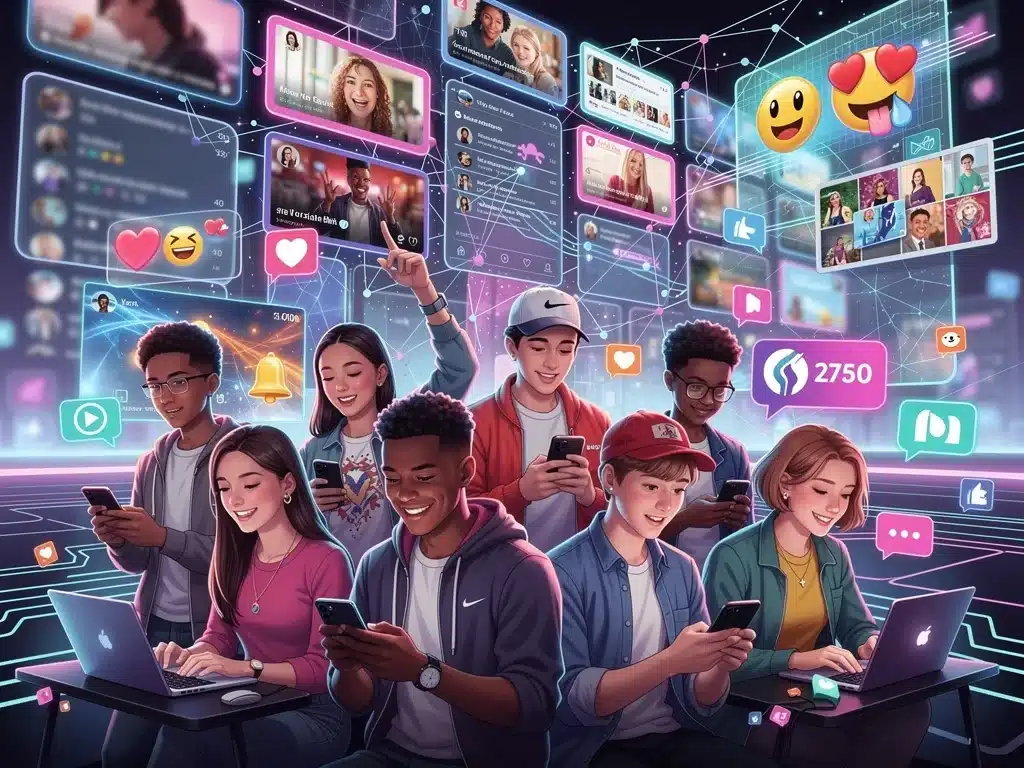
The briefing Decoding Gen Z’s Viral Consumption: What US Brands Need to Know for 2026 Engagement outlines the shifting dynamics of youth marketing.
Drawing from recent industry and market research, this concise report focuses on how viral trend cycles are changing, why traditional advertising is losing ground to algorithmically curated communities, and what digital strategies US brands must monitor to maintain cultural relevance.
Understanding Gen Z’s Digital Ecosystem
Gen Z operates within a unique digital ecosystem, characterised by rapid content cycles and an innate understanding of online trends.
Their consumption patterns are highly influenced by authenticity, community, and immediate gratification, demanding a fresh approach from brands.
This generation, born roughly between 1997 and 2012, has never known a world without the internet.
Their digital fluency means they are hyper-aware of marketing tactics and gravitate towards content that feels genuine and relatable, making Gen Z Viral Consumption a complex but rewarding area.
For US brands, grasping this intricate digital landscape is not just advantageous but essential for sustained engagement by 2026. Ignoring these nuances risks alienating a demographic with significant purchasing power and influence.
The Mechanics of Viral Content for Gen Z
Viral content for Gen Z is not merely about widespread sharing; it’s about cultural resonance, meme-ability, and the ability to spark immediate conversation.
Brands must understand that virality stems from content that feels organic, often user-generated, and deeply embedded in current internet culture.
This generation acts as a collective filter, quickly elevating content that aligns with their values and interests, while dismissing anything that feels forced or inauthentic.
The speed at which trends emerge and fade means brands must be agile and responsive to capture attention.
The key to unlocking Gen Z Viral Consumption lies in creating content that invites participation, fosters community, and genuinely entertains or informs them.
This is a significant shift from traditional one-way advertising models.
Short-Form Video Dominance
Platforms like TikTok, Instagram Reels, and YouTube Shorts are central to Gen Z’s viral consumption.
These platforms thrive on short, engaging videos that can quickly disseminate trends, challenges, and brand messages, often driven by catchy audio or visual concepts.
Brands looking to engage Gen Z must master these formats, understanding that brevity, creativity, and authenticity are paramount. Content that feels overly produced or promotional often falls flat, while raw, relatable videos gain traction.
The ephemeral nature of these trends means continuous monitoring and rapid content creation are vital for any brand hoping to leverage short-form video for Gen Z Viral Consumption.
The Role of Influencers and Micro-Communities
Gen Z places immense trust in influencers, particularly micro and nano-influencers who feel more accessible and authentic. These individuals often cultivate highly engaged niche communities, making them powerful conduits for viral content.
Collaborating with the right influencers allows brands to tap directly into these trusted networks, bypassing traditional advertising skepticism. The emphasis is on genuine partnerships that feel like recommendations from a friend, not paid endorsements.
Understanding the intricate web of micro-communities and identifying relevant voices is a strategic imperative for brands seeking effective Gen Z Viral Consumption by 2026.
Authenticity and Values: Non-Negotiables for Gen Z
Authenticity is not a buzzword for Gen Z; it is a fundamental expectation. They are highly attuned to corporate social responsibility, brand values, and transparency, often vetting brands based on their ethical stances and societal impact.
Brands that demonstrate genuine commitment to social causes, environmental sustainability, and diversity are more likely to earn their loyalty. Conversely, perceived inauthenticity or ‘woke-washing’ can lead to rapid backlash and brand damage.
For US brands aiming for Gen Z Viral Consumption, aligning brand messaging with genuine values and demonstrating those values through actions is crucial for building trust and resonance.
Participatory Culture and User-Generated Content
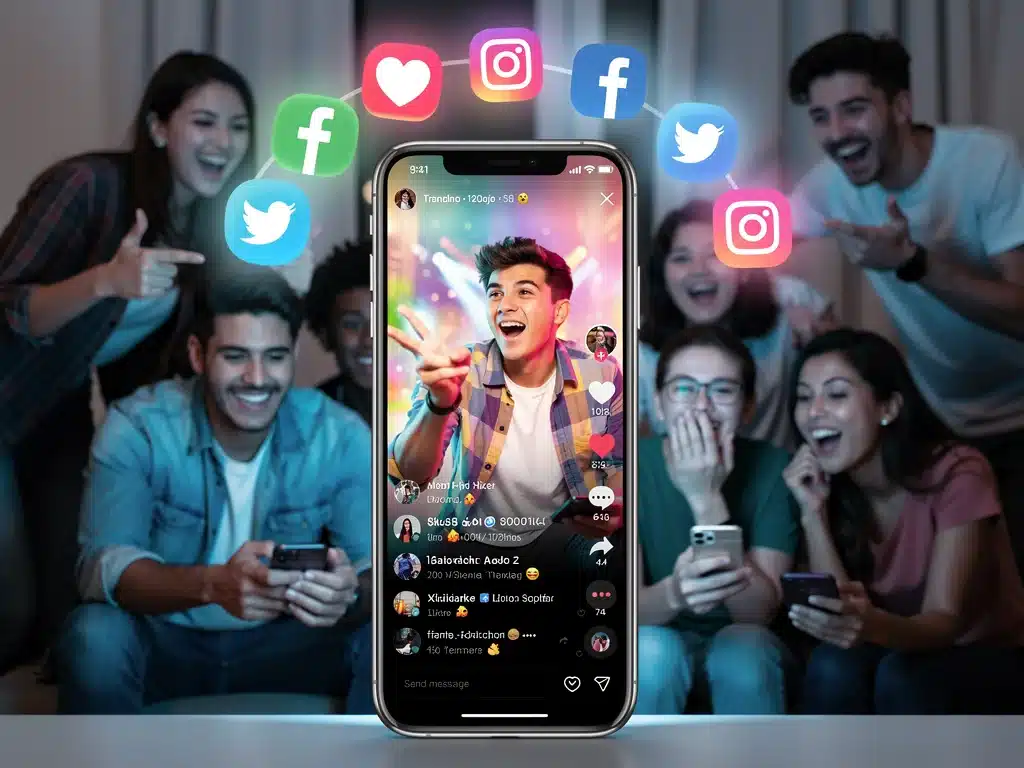
Gen Z doesn’t just consume content; they actively participate in its creation and dissemination. User-generated content (UGC) is a cornerstone of their digital experience, offering brands an unparalleled opportunity for organic reach and engagement.
Challenges, trends, and interactive campaigns that encourage Gen Z to create their own content featuring a brand are highly effective. This not only generates vast amounts of authentic content but also fosters a sense of community and ownership.
Brands must design campaigns that are inherently shareable and provide clear, simple ways for Gen Z to contribute, transforming consumers into brand advocates and driving Gen Z Viral Consumption.
Co-Creation and Community Building
Moving beyond simple UGC, co-creation involves Gen Z in the actual development of products, campaigns, or brand narratives. This deepens their connection and investment in a brand, making them powerful proponents.
Platforms that facilitate direct interaction, feedback loops, and collaborative projects are invaluable. Brands that listen and respond to Gen Z’s input demonstrate respect and build stronger, more loyal communities.
This collaborative approach is fundamental for fostering genuine relationships and ensuring sustained Gen Z Viral Consumption, far beyond fleeting trends.
Ephemeral Content and Real-Time Engagement
The rise of ephemeral content—stories, live streams, and disappearing messages—reflects Gen Z’s preference for real-time, unfiltered communication. This content fosters a sense of urgency and exclusivity, encouraging immediate engagement.
Brands can leverage ephemeral content for behind-the-scenes glimpses, limited-time offers, or interactive Q&A sessions. The ‘fear of missing out’ (FOMO) is a powerful driver for this demographic, leading to higher engagement rates.
Mastering the art of real-time, authentic interactions through ephemeral content is key for brands looking to maintain relevance and drive Gen Z Viral Consumption.
Data Privacy and Ethical Considerations
Despite their digital immersion, Gen Z is increasingly concerned about data privacy and ethical data practices. Brands must be transparent about data collection and usage, offering clear choices and respecting user boundaries.
Any perception of intrusive data practices or unethical targeting can quickly erode trust, leading to negative sentiment and boycotts. Building a reputation for data integrity is as important as content strategy.
For US brands, navigating the evolving landscape of data privacy regulations and ethical considerations is paramount for fostering trust and ensuring positive Gen Z Viral Consumption interactions.
Future-Proofing Strategies for 2026 Engagement
Looking towards 2026, brands must adopt agile, forward-thinking strategies to stay ahead of Gen Z’s rapidly evolving digital habits. This involves continuous learning, experimentation, and a willingness to adapt traditional marketing paradigms.
Investing in emerging platforms, understanding new communication styles, and fostering genuine, two-way conversations are critical. The brands that succeed will be those that view Gen Z not just as consumers, but as active participants and co-creators.
Proactive engagement, underpinned by authenticity and a deep understanding of digital culture, is the bedrock for successful Gen Z Viral Consumption by 2026 and beyond.
Measuring Impact and Adapting Strategies
Measuring the impact of viral campaigns with Gen Z requires a shift from traditional metrics. Engagement rates, sentiment analysis, shareability, and the volume of user-generated content often provide more valuable insights than simple reach or impressions.
Brands must establish robust analytics frameworks that capture these nuanced indicators, allowing for rapid iteration and optimization of content strategies. The ability to quickly pivot based on real-time feedback is a competitive advantage.
Continuous monitoring and adaptation are not optional; they are fundamental to effectively navigating Gen Z Viral Consumption and ensuring long-term brand success.
| Key Insight | Strategic Impact for Brands |
|---|---|
| Authenticity is Paramount | Brands must demonstrate genuine values and transparency to gain Gen Z trust and drive Gen Z Viral Consumption. |
| Short-Form Video Dominance | Master engaging, brief video content for platforms like TikTok to capture Gen Z attention and spark virality. |
| User-Generated Content Power | Encourage Gen Z to co-create and share content, fostering community and organic brand advocacy for Gen Z Viral Consumption. |
| Influencer Marketing Evolution | Focus on micro-influencers and genuine partnerships to tap into trusted niche communities and drive Gen Z Viral Consumption. |
Frequently Asked Questions on Gen Z Engagement
Gen Z’s viral content consumption is primarily driven by authenticity, relatability, and content that fosters community or sparks conversation. They gravitate towards genuine, often user-generated content that aligns with their values and offers immediate entertainment or information, making it crucial for brands to understand their unique perspective on Gen Z Viral Consumption.
Short-form video platforms like TikTok are critically important for reaching Gen Z. These platforms are their primary sources of entertainment and trend discovery. Brands must master concise, creative, and authentic video content to effectively engage this demographic and leverage the power of Gen Z Viral Consumption.
Yes, brands should strategically use influencers, especially micro and nano-influencers, to connect with Gen Z. This generation trusts influencer recommendations more than traditional ads. Authentic partnerships that resonate with niche communities are key to driving successful engagement and fostering Gen Z Viral Consumption.
Brand values play a significant role in Gen Z’s purchasing decisions. They expect transparency, ethical practices, and alignment with social and environmental causes. Brands demonstrating genuine commitment to these values are more likely to earn loyalty and positive sentiment, influencing Gen Z Viral Consumption.
The biggest challenge for US brands engaging Gen Z by 2026 is maintaining authenticity and relevance in a rapidly changing digital landscape. Gen Z’s content preferences and platforms evolve quickly, requiring brands to be agile, innovative, and deeply attuned to cultural nuances to drive Gen Z Viral Consumption effectively.
Looking Ahead: The Evolving Landscape of Gen Z Engagement
The insights into Decoding Gen Z’s Viral Consumption: What US Brands Need to Know for 2026 Engagement highlight a dynamic and challenging environment for marketers.
The brands that will thrive are those that embrace continuous innovation, prioritise genuine connection over overt advertising, and commit to understanding the fluid digital culture of this influential demographic.
Moving forward, success hinges on agility, a willingness to experiment with new platforms and content formats, and an unwavering commitment to authenticity and transparency.
Ignoring these shifts will result in diminishing returns and missed opportunities within the Gen Z market. To dive deeper into actionable architectures and data frameworks that help scale these modern shopping experiences, you can download the global retail commerce report from commercetools.
The landscape of Gen Z Viral Consumption will continue to evolve, demanding that US brands remain vigilant, adaptable, and deeply engaged with the very communities they seek to serve.
This proactive approach is not just about adapting to trends but about shaping the future of brand-consumer relationships.