The 72-Hour Meme Lifecycle: How Hyper-Fast Internet Humour Is Transforming US Pop Culture Consumption
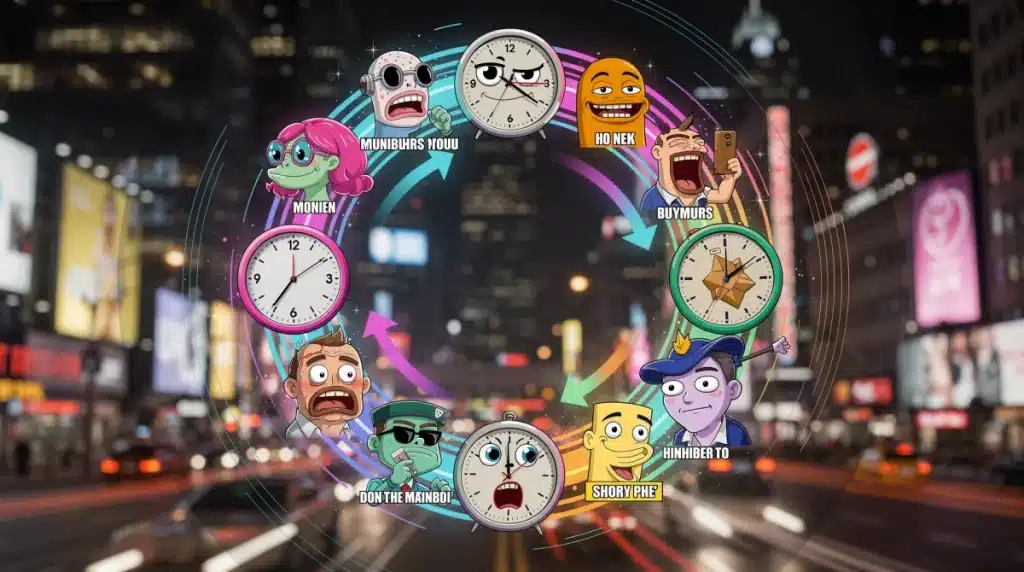
Have you ever blinked on a Friday and realised the viral joke everyone was sharing on Wednesday is already ancient history? Welcome to the 72-Hour Meme Lifecycle, where hyper-fast internet humour is radically compressing how US pop culture is consumed.
Driven by short-form algorithms and rapid remix culture, digital punchlines now peak, saturate feeds, and burn out in just three days. Brands, creators, and media outlets barely have hours to jump on a trend before audiences move on to the next micro-moment.
Whether you work in digital marketing or simply love scrolling through social media, understanding this accelerated cultural metabolism is essential. Here are the key facts, industry shifts, and emerging patterns you need to watch next.
Understanding the 72-Hour Meme Lifecycle
The concept of the 72-hour meme lifecycle describes the accelerated trajectory of internet humour, from its inception to its peak popularity and eventual decline.
This phenomenon has profound implications for how content is consumed and disseminated across the United States, dictating the pace of online trends.
This rapid cycle means that cultural touchstones can emerge, saturate the public consciousness, and fade into obscurity within a mere three days. For brands, media outlets, and individuals, understanding this compressed timeline is critical for effective engagement.
The ephemeral nature of memes challenges traditional media cycles and forces a re-evaluation of content strategy. It highlights a shift towards instant gratification and continuous novelty in digital consumption habits.
The Genesis and Spread of Internet Humour
Internet memes often originate from obscure corners of the web, quickly gaining traction through viral sharing on platforms like X (formerly Twitter), TikTok, and Reddit. Their initial spark can be a single image, a short video, or a specific phrase that resonates with a niche audience.
The spread is often organic, driven by user participation and modification, where each share adds a new layer of interpretation or context. This decentralised creation process contributes to their rapid and unpredictable propagation across diverse online communities.
The speed at which these cultural artefacts travel is unprecedented, blurring the lines between creation and consumption. This dynamic process underscores the power of collective digital engagement in shaping popular culture.
Key Platforms Driving Meme Virality
- TikTok: Short-form video content enables rapid visual and audio meme dissemination, often setting new trends.
- Reddit: Niche communities act as incubators for new memes, fostering early adoption and refinement before broader spread.
- X (formerly Twitter): Text and image-based memes thrive here, facilitating quick reactions and widespread commentary.
Beyond these platforms, other social media sites and messaging apps play crucial roles in secondary distribution, ensuring memes reach an even wider audience. This multi-platform approach accelerates the 72-hour meme lifecycle.
Peak Popularity: The 72-Hour Window
The peak of a meme’s popularity typically occurs within the first 24 to 48 hours of its virality. During this intense period, the meme is ubiquitous across social media feeds, news outlets, and even mainstream conversations, embodying the essence of the 72-hour meme lifecycle.
Content creators, brands, and public figures quickly adopt and adapt the meme, eager to capitalise on its relevance and reach. This rapid integration into various contexts signifies its current cultural dominance and broad appeal.
However, this intense exposure also accelerates its eventual decline, as over-saturation can lead to fatigue. The very mechanisms that propel a meme to fame contribute to its swift obsolescence within the 72-hour meme lifecycle.
Factors Contributing to Rapid Peak
- Algorithmic Amplification: Social media algorithms favour highly engaging content, pushing memes to larger audiences.
- User Participation: The ease of remixing and sharing encourages widespread engagement, creating a snowball effect.
- Cultural Relevance: Memes often tap into current events or shared experiences, making them instantly relatable and shareable.
The sheer volume of content produced daily means that attention spans are shorter than ever. A meme must capture and hold interest rapidly to achieve its peak within the compressed 72-hour meme lifecycle.
The Swift Decline and Obsolescence
Following its peak, a meme typically enters a phase of rapid decline, often within the final 24 hours of its 72-hour meme lifecycle. This descent is characterised by decreasing originality, repetitive use, and a general sense of being “overdone” or “cringe.”
The mainstream adoption that once propelled its popularity now contributes to its demise, as the meme loses its novelty and subversive edge. What was once fresh and humorous quickly becomes stale and predictable.
This rapid obsolescence is a defining feature of modern internet culture, illustrating how quickly collective interests can shift. The constant demand for new content ensures that older memes are swiftly replaced.
Impact on US Pop Culture Consumption
The 72-hour meme lifecycle has fundamentally altered how US pop culture is consumed and perceived. It fosters a culture of immediacy, where trends are fleeting and continuous novelty is expected, influencing fashion, music, and entertainment.
Celebrities and public figures now face a constant pressure to remain relevant by engaging with current memes, often integrating them into their public personas. This creates a more dynamic, albeit volatile, relationship between public figures and their audience.
For consumers, this means a constant influx of new content, demanding continuous attention and participation to stay current. The traditional gatekeepers of culture have diminished in influence, replaced by the collective power of online communities.
Transformations in Media and Marketing
- Real-time Marketing: Brands must react instantly to viral trends, creating content that aligns with the 72-hour meme lifecycle.
- User-Generated Content: Marketing strategies increasingly rely on consumer participation in meme creation and dissemination.
- Short-form Content Dominance: The emphasis on quick, digestible humour influences broader content production across media.
The rapid turnover of trends means that media outlets must also adapt, providing instant commentary and analysis on emerging memes to maintain relevance. This shift has reshaped journalistic approaches to digital culture.
Challenges for Brands and Content Creators
Navigating the 72-hour meme lifecycle presents significant challenges for brands and content creators. The need for speed often conflicts with traditional content approval processes, making timely engagement difficult.
Misinterpreting a meme’s context or using it inappropriately can lead to public backlash, damaging brand reputation. Authenticity is paramount, and forced integration often falls flat with a discerning online audience.
The fleeting nature of meme popularity also means that investments in meme-based campaigns have a very short return window. This demands agile strategies and a willingness to embrace rapid experimentation and iteration.
Strategies for Effective Meme Engagement
- Rapid Response Teams: Dedicated teams monitor trends and create content quickly.
- Authentic Voice: Brands must develop a genuine online persona that resonates with meme culture.
- Risk Assessment: Carefully evaluate the potential for misinterpretation or negative association before engaging.
Ultimately, success within the 72-hour meme lifecycle hinges on understanding the nuances of online communities and acting with both speed and sincerity. This requires a deep immersion in digital culture rather than a superficial approach.
The Future of Hyper-Fast Internet Humour
The trajectory of the 72-hour meme lifecycle suggests an even faster pace of cultural turnover in the future. As technology advances and new platforms emerge, the window for meme popularity may continue to shrink, demanding even greater agility from creators and consumers alike.
Artificial intelligence could play a role in both generating and identifying emerging meme trends, further accelerating the cycle. This could lead to a more automated, yet potentially less organic, landscape of internet humour.
However, the core human element of shared experience and relatable humour will likely remain central to meme creation. The tools may evolve, but the fundamental appeal of collective laughter persists.
Societal Implications of Rapid Meme Turnover
Beyond entertainment, the 72-hour meme lifecycle has broader societal implications, particularly concerning information dissemination and public discourse. Complex issues can be reduced to simplistic, often misleading, meme formats, influencing public opinion rapidly.
The speed at which memes spread can also accelerate the spread of misinformation or disinformation, making it challenging for factual corrections to keep pace. This poses a significant challenge for media literacy and critical thinking.
Moreover, the constant shift in cultural focus can contribute to a collective shortening of attention spans, impacting deeper engagement with sustained narratives. This fleeting engagement shapes how society processes and reacts to news and events.
| Key Point | Brief Description |
|---|---|
| Rapid Cycle Defined | Memes emerge, peak, and decline within approximately 72 hours, dictating online trends. |
| Cultural Transformation | This lifecycle fundamentally alters US pop culture consumption, demanding constant novelty. |
| Brand Challenges | Brands face pressure for instant, authentic engagement; missteps can lead to backlash. |
| Future Outlook | Expect an even faster pace, with AI potentially influencing meme generation and spread. |
Frequently Asked Questions About Meme Lifecycles
The 72-hour meme lifecycle refers to the typical three-day period during which an internet meme achieves peak virality before its popularity rapidly wanes. This rapid cycle influences how content is shared and consumed across digital platforms in the US, demanding constant novelty.
It transforms pop culture by accelerating trends, making them more ephemeral and demanding constant engagement. This affects everything from marketing strategies to celebrity interactions, fostering a culture of immediacy and continuous content refreshing within the 72-hour meme lifecycle.
Memes decline quickly due to over-saturation and the inherent human demand for novelty. Once a meme becomes too widespread or is used repetitively, it loses its original humour and subversive appeal, leading to rapid fatigue and replacement by newer content in the 72-hour meme lifecycle.
Brands face challenges in timely engagement, maintaining authenticity, and avoiding misinterpretation. The rapid nature of the 72-hour meme lifecycle requires agile marketing strategies and a deep understanding of internet culture to effectively leverage memes without causing backlash or appearing outdated.
It is highly probable that the meme lifecycle will continue to shorten as technology advances and new platforms emerge. The constant acceleration of digital communication and content creation suggests an even more compressed timeline for internet humour, impacting the 72-hour meme lifecycle.
Looking Ahead
The 72-hour meme lifecycle is not merely a fleeting trend but a fundamental shift in how digital culture operates. Its implications extend beyond entertainment, influencing information flow, public discourse, and commercial strategies across the United States.
As this cycle continues to accelerate, understanding its mechanisms becomes crucial for anyone seeking to navigate or influence modern pop culture.
The ongoing evolution of online platforms and user behaviour will undoubtedly shape the future of this hyper-fast humour, demanding constant adaptation from all stakeholders.