The Ethics of Synthetic Persona Adoption: Why 42% of US Online Communities Are Rejecting Fully Automated Influencers
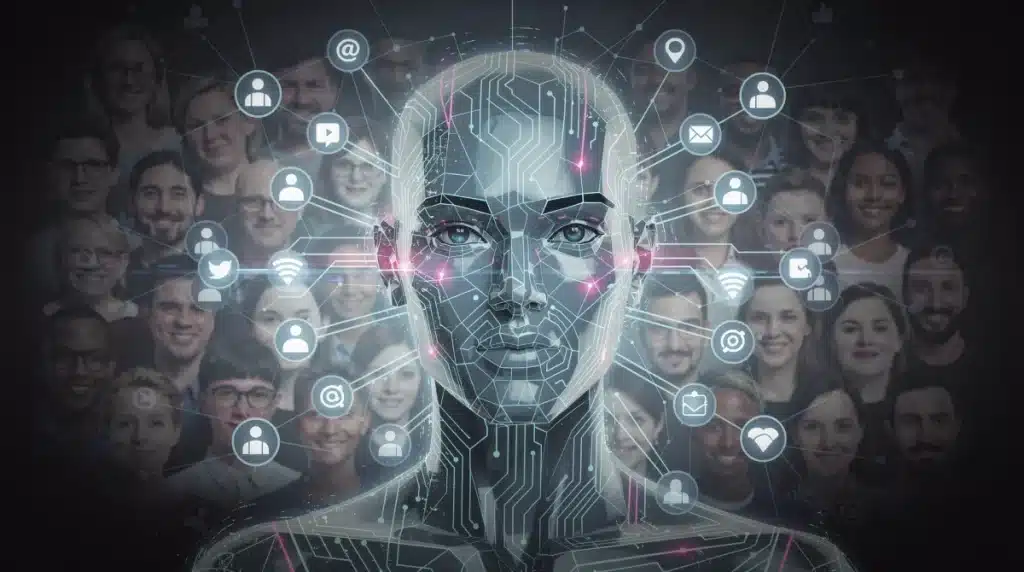
Would you continue placing your trust in digital content creators if you discovered their identities were entirely computer-generated? The rapid rise of Synthetic Persona Adoption across digital media has sparked intense debate, leading 42% of online communities to actively push back against fully automated influencers.
Audience members and digital forum moderators are raising significant concerns regarding transparency, deceptive endorsement practices, and manufactured engagement.
Rather than embracing virtual avatars and AI-generated personalities, digital subcultures are increasingly demanding verified human creators who foster authentic social connection and organic credibility.
This growing skepticism forces marketing agencies and virtual brand ambassadors to reevaluate their automated influencer strategies. Here is why online communities are drawing a line against artificial internet personalities and what it means for digital content ethics.
The Growing Backlash Against Automated Influencers
The digital landscape is witnessing a significant shift as US online communities increasingly express reservations regarding fully automated influencers. A recent study highlights that 42% of these communities are actively rejecting synthetic personas, citing concerns over authenticity and transparency.
This widespread rejection underscores a critical ethical debate surrounding the deployment of AI in roles traditionally occupied by human creators. The pushback reflects a broader societal discomfort with the blurring lines between genuine human interaction and AI-generated content.
Understanding this trend requires a deep dive into the factors driving community sentiment and the long-term implications for brand engagement and digital culture. The ethical considerations are paramount as technology continues to advance rapidly.
Understanding the Rejection: Authenticity and Trust
The primary driver behind the rejection of synthetic personas appears to be a profound desire for authenticity and trust within online interactions. Users feel a disconnect when engaging with entities that lack genuine human experience or emotions.
This sentiment is not merely anecdotal; it is reflected in user engagement metrics and direct feedback from community forums. The perceived lack of transparency regarding an influencer’s true nature erodes the foundation of trust essential for effective communication.
Brands and platforms that fail to address these concerns risk alienating a significant portion of their audience. The ethical imperative to disclose the use of AI is becoming increasingly clear.
The Erosion of Trust in Digital Spaces
The proliferation of AI-generated content, particularly in influential roles, has led to a noticeable erosion of trust. When users cannot discern between human and machine, the credibility of all digital interactions comes into question.
This mistrust extends beyond individual influencers to the platforms themselves, impacting user retention and overall community health. Rebuilding this trust requires proactive measures and clear ethical guidelines.
- Lack of genuine human connection impacts user engagement.
- Transparency regarding AI origin is frequently absent.
- Concerns over data privacy and algorithmic manipulation are rising.
- The potential for misinformation spread by AI personas worries users.
The ethical implications of synthetic persona adoption extend into the very fabric of how information is consumed and perceived online. This is not just a technological challenge, but a deeply human one.
Economic and Social Impact of Synthetic Persona Adoption
The economic impact of this rejection is multifaceted, affecting advertising revenue, brand partnerships, and the influencer marketing industry as a whole. Companies investing heavily in AI-driven campaigns are now forced to re-evaluate their strategies.
Socially, the debate around synthetic personas highlights broader questions about human value and creativity in an increasingly automated world. The role of genuine human connection remains irreplaceable for many online communities.
This shift could lead to a renewed emphasis on human-centric content creation and a demand for more stringent ethical standards from platforms. The digital economy must adapt to these evolving consumer preferences.
Navigating the Shifting Influencer Landscape
The influencer market, once dominated by human personalities, is now at a crossroads. Brands must consider the potential backlash when opting for AI influencers, especially given the current sentiment.
There’s a growing preference for micro-influencers and authentic voices, suggesting a return to more organic forms of digital engagement. This represents a significant challenge for companies that have embraced fully automated solutions.
- Brands must weigh cost-efficiency against consumer trust.
- Authenticity is becoming a premium commodity in digital marketing.
- Regulatory bodies may soon introduce guidelines for AI disclosure.
- The demand for human-created content is likely to increase.
The ethical considerations surrounding synthetic persona adoption are no longer niche discussions but mainstream concerns that directly impact business models and consumer behaviour.
Ethical Frameworks and Regulatory Responses
In response to growing public concern, there is an increasing call for robust ethical frameworks and potential regulatory interventions. The current lack of clear guidelines leaves both creators and consumers vulnerable to exploitation and deception.
Discussions are underway within industry bodies and legislative circles to establish standards for transparency, accountability, and the responsible deployment of AI in public-facing roles. This reflects a proactive effort to address the challenges posed by synthetic persona adoption.
The goal is to foster an environment where innovation can thrive without compromising ethical principles or consumer trust. Clear rules will benefit all stakeholders in the long run.

The Future of AI in Digital Interaction
Despite the current backlash, AI’s role in digital interaction is undeniably set to expand. The challenge lies in integrating these technologies in a manner that respects human values and community expectations. This means a focus on augmentation rather than outright replacement.
Future applications of AI may involve assisting human influencers, generating background content, or providing personalized experiences that are clearly labelled. The key will be transparency and ensuring that AI enhances, rather than diminishes, human connection.
The ongoing dialogue about synthetic persona adoption will shape how we interact with technology for decades to come, demanding thoughtful consideration and ethical foresight from developers and users alike.
Balancing Innovation with Ethical Responsibility
The rapid pace of technological innovation often outstrips the development of ethical guidelines. However, the rejection of fully automated influencers serves as a powerful reminder that consumer sentiment can drive ethical considerations.
Developers and companies have a responsibility to design AI systems that are not only powerful but also trustworthy and respectful of human autonomy. This balance is crucial for sustainable growth in the digital sphere.
- AI can serve as a powerful tool for content creation and engagement.
- Ethical design principles must be integrated from conception.
- User education about AI capabilities and limitations is vital.
- Collaboration between tech companies, ethicists, and users is essential.
The ethical considerations of synthetic persona adoption are complex, but addressing them head-on will pave the way for a more responsible and accepted integration of AI into our daily lives.
Community-Driven Standards and Expectations
Online communities themselves are playing a pivotal role in setting new standards and expectations for digital interactions. Their collective voice, exemplified by the 42% rejection rate, is a powerful force shaping the industry.
These communities often self-regulate and establish norms that prioritise authenticity and genuine engagement. Platforms and brands that align with these community-driven values are more likely to succeed in the long term.
The power of collective user sentiment cannot be underestimated. It serves as a crucial feedback mechanism for the ethical development and deployment of new technologies, especially in the sensitive realm of personal influence.
The Call for Transparency in AI Influencer Marketing
Transparency has emerged as a non-negotiable demand from US online communities when it comes to synthetic persona adoption. Users want to know whether they are interacting with a human or an algorithm.
This call for transparency is not just about avoiding deception; it’s about maintaining a clear understanding of the digital landscape. It empowers users to make informed decisions about their engagement and trust.
Marketers and content creators must embrace clear disclosure practices to build and maintain credibility. Hiding the AI origin of an influencer is increasingly seen as an ethical misstep with significant repercussions.
| Key Point | Brief Description |
|---|---|
| Community Rejection | 42% of US online communities reject fully automated influencers. |
| Ethical Concerns | Authenticity, trust, and transparency are key drivers of discontent. |
| Industry Impact | Influencer marketing and brands face pressure to adapt strategies. |
| Future Outlook | Increased demand for human-centric content and ethical AI integration. |
Frequently Asked Questions About Synthetic Persona Adoption
US online communities are largely rejecting automated influencers due to concerns over authenticity, transparency, and the erosion of trust. Users value genuine human connection and find it difficult to engage with personas that lack real-world experience or emotions, leading to a significant backlash against AI-driven influence.
‘Synthetic persona adoption’ refers to the use of artificial intelligence to create and deploy fully automated digital entities that function as influencers or content creators in online communities. These personas are designed to interact with users, promote products, or disseminate information without human intervention.
The rejection significantly impacts the influencer marketing industry by forcing brands and platforms to re-evaluate their strategies. It highlights a preference for human-centric content and authentic voices, potentially shifting investments away from fully automated AI influencers towards more transparent and ethically sound marketing approaches.
While specific regulations are still developing, there’s a growing call for ethical frameworks and potential legislative interventions to address AI influencers. Discussions within industry bodies and legislative circles aim to establish standards for transparency, accountability, and responsible AI deployment in public-facing roles.
Companies using synthetic personas have a critical ethical responsibility to ensure transparency, clearly disclosing when content or interaction is AI-generated. They must also prioritise user trust, avoid deception, and consider the broader societal impact of deploying automated entities in roles that historically relied on genuine human connection and experience.
What this means
The widespread rejection of fully automated influencers by US online communities signals a critical turning point in digital culture. It underscores a powerful demand for authenticity and transparency, forcing industries to confront the ethical implications of synthetic persona adoption.
This trend highlights that while AI offers immense potential, its integration into public-facing roles must be carefully managed with a strong emphasis on trust and human values.
Moving forward, stakeholders must develop robust ethical frameworks and embrace transparent practices to navigate this evolving landscape, ensuring that technological advancement aligns with societal expectations.