
Social Media Censorship in 2025: Are Algorithms Silencing Voices?
Are Social Media Algorithms Censoring Unpopular Opinions? A 2025 Analysis explores the evolving role of algorithms in shaping online discourse and whether they inadvertently suppress dissenting viewpoints in the US. The question of whether are social media algorithms censoring unpopular opinions? A 2025 analysis becomes increasingly critical as these platforms dominate public discourse, raising concerns […]

The Role of Citizen Journalism in Holding Mainstream Media Accountable
Citizen journalism plays a crucial role in holding mainstream media accountable by providing alternative perspectives, uncovering overlooked stories, and increasing transparency in news reporting. In an era dominated by established news outlets, the rise of citizen journalism has become a significant force, challenging the mainstream media’s traditional role as gatekeepers of information. Understanding the role […]

Clickbait Crisis: How Headlines Impact News Trust in 2025
The Impact of Clickbait Headlines on Public Trust in News: A 2025 Study reveals a significant decline in public confidence due to sensationalized headlines, leading to increased skepticism and the erosion of journalistic integrity in the United States. The digital age has transformed how we consume news, but it has also introduced challenges like the […]

Media Consolidation & Its Impact on Opinion Diversity in the US
Media consolidation in the US significantly impacts the diversity of opinion by reducing the number of independent voices and perspectives available to the public, potentially leading to a more homogenous media landscape and limiting exposure to alternative viewpoints. How media consolidation affects diversity of opinion: A critical US analysis reveals a concerning trend in the […]

Anonymous Sources: Impact on News Veracity in US Media
Anonymous sources can significantly impact the veracity of news reports by providing information that may be unverifiable, biased, or used to push specific agendas, thereby affecting the public’s trust and understanding of the news. In the realm of journalism, the use of sources is fundamental to the creation of news. However, the question of how […]
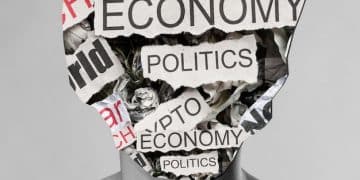
Analyzing Economic News: Framing Effects in US Media
Analyzing the framing of economic issues in US news media involves examining how journalists select and present information, which can significantly influence public perception and understanding of economic events and policies. The way economic issues are presented in the news significantly shapes public opinion and understanding. Analyzing the framing of economic issues in US news […]

The 72-Hour Meme Lifecycle: How Hyper-Fast Internet Humour Is Transforming US Pop Culture Consumption
The 72-hour meme lifecycle is profoundly reshaping US pop culture consumption. This rapid phenomenon dictates how trends emerge, peak, and fade, impacting everything from celebrity endorsements to political discourse. Understanding this accelerated cycle is crucial for navigating modern digital culture.
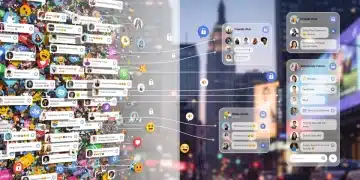
Alert: Why 62% of US Digital Discourse Has Shifted from Public Feeds to Gated Micro-Communities in 2026
The shift of 62% of US digital discourse to gated micro-communities by 2026 marks a significant evolution in online interaction. This trend redefines public dialogue, emphasizing privacy and curated information. Understanding this change is crucial for citizens, policymakers, and digital platforms alike.

Beyond Doomscrolling: Gen Z’s Dumbphone Challenge Reshapes Internet Culture
The 28-Day 'Dumbphone' Challenge is significantly reshaping Gen Z internet culture across America. This movement encourages a break from constant digital immersion, fostering mindful engagement and reducing doomscrolling habits. It represents a growing trend towards reclaiming digital well-being among young adults.
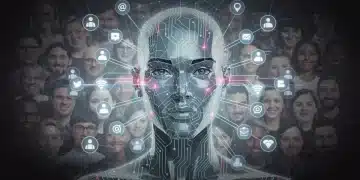
The Ethics of Synthetic Persona Adoption: Why 42% of US Online Communities Are Rejecting Fully Automated Influencers
The growing unease surrounding synthetic persona adoption reveals a significant ethical dilemma within US online communities. A striking 42% are now actively rejecting fully automated influencers, signalling a clear demand for authenticity. This trend underscores crucial questions about trust, transparency, and the future of digital interaction.

Navigating the Fediverse: Algorithmic Independence for US Creators
The shift towards algorithmic independence is accelerating, with 38% of American digital creators Navigating the Fediverse. This movement seeks to mitigate traditional platform control, offering new avenues for content distribution and community building. Understanding these dynamics is crucial for both creators and consumers.

First-Party Data Monetisation: How US Online Publications Lift Ad Yield by 22% Without Third-Party Cookies
US online publications are significantly boosting ad yield by 22% through advanced First-Party Data Monetisation strategies, navigating the imminent demise of third-party cookies. This shift empowers publishers to leverage proprietary audience insights for more effective advertising.