
Monetising Virality: US Creators’ 15% Income Boost in Q1 2026
US creators saw a significant 15% income rise in Q1 2026, primarily driven by effective trendjacking and monetising virality. This growth highlights the evolving strategies within the creator economy, focusing on timely content adaptation and audience engagement for substantial financial gains.
Actionable Insights: 7 Steps to Predict Next Viral Sensation US Mid-2026
This article provides Actionable Insights: 7 Steps to Predict the Next Viral Sensation in the US by Mid-2026. It focuses on emerging trends, data analysis, and cultural shifts. Readers will gain a clear understanding of what drives virality and how to anticipate future phenomena.

Viral Trends in 2026: A Comparison of User Engagement Across the Top 4 Social Platforms
Latest developments on viral trends in 2026: a comparison of user engagement across the top 4 social platforms, with key facts, verified sources and what readers need to monitor next in the United States, presented clearly.
US Brands’ 3-Month Meme Marketing Surge in Early 2026
Early 2026 witnessed a significant 3-month surge in US brands leveraging viral meme marketing. This shift highlights evolving digital strategies and consumer engagement tactics. Understanding this phenomenon is crucial for marketers aiming to stay relevant and impactful in the fast-paced online environment. The trend underscores the power of cultural relevance in brand communication.

Decoding the 5 Biggest TikTok Challenges of 2026: An Insider’s Look at Viral Mechanics
The landscape of social media is ever-evolving, with TikTok at its forefront. This article provides an insider's look into the five biggest TikTok Challenges of 2026, offering crucial insights into the viral mechanics driving them.
Deepfakes 2026: Identifying & Mitigating US Digital Trust Impact
This guide offers a comprehensive look at deepfakes in 2026, focusing on their impact on US digital trust. It provides practical solutions and highlights recent updates to help identify and mitigate the growing threat, ensuring a more secure digital future for all.
The 72-Hour Meme Lifecycle: How Hyper-Fast Internet Humour Is Transforming US Pop Culture Consumption
The 72-hour meme lifecycle is profoundly reshaping US pop culture consumption. This rapid phenomenon dictates how trends emerge, peak, and fade, impacting everything from celebrity endorsements to political discourse. Understanding this accelerated cycle is crucial for navigating modern digital culture.
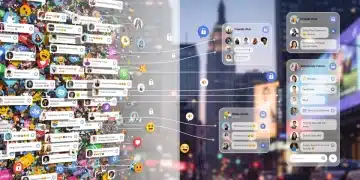
Alert: Why 62% of US Digital Discourse Has Shifted from Public Feeds to Gated Micro-Communities in 2026
The shift of 62% of US digital discourse to gated micro-communities by 2026 marks a significant evolution in online interaction. This trend redefines public dialogue, emphasizing privacy and curated information. Understanding this change is crucial for citizens, policymakers, and digital platforms alike.

Beyond Doomscrolling: Gen Z’s Dumbphone Challenge Reshapes Internet Culture
The 28-Day 'Dumbphone' Challenge is significantly reshaping Gen Z internet culture across America. This movement encourages a break from constant digital immersion, fostering mindful engagement and reducing doomscrolling habits. It represents a growing trend towards reclaiming digital well-being among young adults.
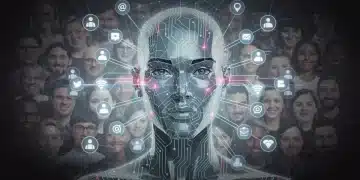
The Ethics of Synthetic Persona Adoption: Why 42% of US Online Communities Are Rejecting Fully Automated Influencers
The growing unease surrounding synthetic persona adoption reveals a significant ethical dilemma within US online communities. A striking 42% are now actively rejecting fully automated influencers, signalling a clear demand for authenticity. This trend underscores crucial questions about trust, transparency, and the future of digital interaction.

Navigating the Fediverse: Algorithmic Independence for US Creators
The shift towards algorithmic independence is accelerating, with 38% of American digital creators Navigating the Fediverse. This movement seeks to mitigate traditional platform control, offering new avenues for content distribution and community building. Understanding these dynamics is crucial for both creators and consumers.

First-Party Data Monetisation: How US Online Publications Lift Ad Yield by 22% Without Third-Party Cookies
US online publications are significantly boosting ad yield by 22% through advanced First-Party Data Monetisation strategies, navigating the imminent demise of third-party cookies. This shift empowers publishers to leverage proprietary audience insights for more effective advertising.