
Digital Well-being in 2026: 5 Data-Backed Strategies to Reduce Screen Time by 15% for US Adults
The imperative for improved digital well-being intensifies as 2026 approaches, with a focus on tangible reductions in screen time for US adults. This article details five data-backed strategies, offering practical solutions and highlighting their financial implications.

NFTs Beyond Art: 4 Innovative US Digital Culture Applications Expected to Surge by mid-2026
The landscape of digital culture is rapidly evolving, with NFTs moving beyond traditional art. This report uncovers four innovative US applications set to surge by mid-2026, offering crucial insights and time-sensitive analysis for those tracking the next wave of digital transformation. Stay informed on these emerging trends.

Cyberbullying Trends in US Digital Spaces: Proactive Solutions 2026
This report details emerging Cyberbullying Trends in US digital spaces for 2026, offering crucial insights for parents and educators. It outlines six proactive, practical solutions, incorporating recent updates to combat online harassment effectively. Stay informed on safeguarding young people in an evolving digital landscape.

Decentralised Social Media: US Platforms & Privacy Benefits
The landscape of social media is rapidly evolving, with decentralised platforms gaining significant traction. Understanding these shifts is crucial for anyone navigating the future of digital interaction.

AI Ethics in US Digital Culture: 7 Policy Changes Expected
This report details 7 crucial AI ethics policy changes expected in US digital culture within the next year. We analyse their potential impact on users, providing recent updates and time-sensitive information for stakeholders.

Metaverse Economy 2026: Monetisation Strategies for US Creators
The metaverse economy creates new income paths for US creators. Learn four strategies to monetise virtual content by 2026 and stay competitive.

The 72-Hour Meme Lifecycle: How Hyper-Fast Internet Humour Is Transforming US Pop Culture Consumption
The 72-hour meme lifecycle is profoundly reshaping US pop culture consumption. This rapid phenomenon dictates how trends emerge, peak, and fade, impacting everything from celebrity endorsements to political discourse. Understanding this accelerated cycle is crucial for navigating modern digital culture.

Alert: Why 62% of US Digital Discourse Has Shifted from Public Feeds to Gated Micro-Communities in 2026
The shift of 62% of US digital discourse to gated micro-communities by 2026 marks a significant evolution in online interaction. This trend redefines public dialogue, emphasizing privacy and curated information. Understanding this change is crucial for citizens, policymakers, and digital platforms alike.

Beyond Doomscrolling: Gen Z’s Dumbphone Challenge Reshapes Internet Culture
The 28-Day 'Dumbphone' Challenge is significantly reshaping Gen Z internet culture across America. This movement encourages a break from constant digital immersion, fostering mindful engagement and reducing doomscrolling habits. It represents a growing trend towards reclaiming digital well-being among young adults.
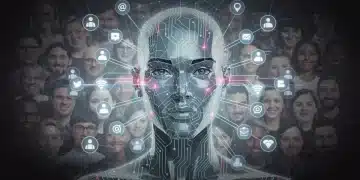
The Ethics of Synthetic Persona Adoption: Why 42% of US Online Communities Are Rejecting Fully Automated Influencers
The growing unease surrounding synthetic persona adoption reveals a significant ethical dilemma within US online communities. A striking 42% are now actively rejecting fully automated influencers, signalling a clear demand for authenticity. This trend underscores crucial questions about trust, transparency, and the future of digital interaction.

Navigating the Fediverse: Algorithmic Independence for US Creators
The shift towards algorithmic independence is accelerating, with 38% of American digital creators Navigating the Fediverse. This movement seeks to mitigate traditional platform control, offering new avenues for content distribution and community building. Understanding these dynamics is crucial for both creators and consumers.

First-Party Data Monetisation: How US Online Publications Lift Ad Yield by 22% Without Third-Party Cookies
US online publications are significantly boosting ad yield by 22% through advanced First-Party Data Monetisation strategies, navigating the imminent demise of third-party cookies. This shift empowers publishers to leverage proprietary audience insights for more effective advertising.