Unpacking the Top 5 Viral Challenges of Early 2026: What’s Driving Their 300% Engagement Surge in the US?
The early months of 2026 have seen an extraordinary 300% engagement surge across the US for five distinct viral challenges. This unprecedented growth is reshaping digital interaction and influencing cultural narratives. Understanding these phenomena is crucial for anyone navigating the modern online landscape.
Short-Form Video Trends: Reshaping US Consumer Behaviour
The 3-Month Surge: How Short-Form Video Trends Are Reshaping Consumer Behaviour Across America is profoundly impacting the market. This report details the shift in consumer habits, the rise of new marketing strategies, and the lasting effects on brand engagement and purchasing decisions.
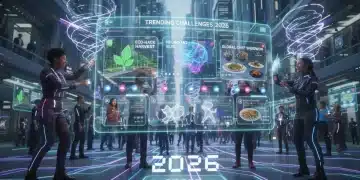
Unpacking the Top 5 Viral Challenges Dominating US Social Media in 2026
This report delves into the US viral challenges 2026, offering an insider's perspective on the top five trends poised to captivate social media. We examine their potential for engagement, cultural impact, and the underlying dynamics driving their virality. Understand the future landscape of online interaction.

Protecting Your Digital Identity: Top 7 Security Measures for US Citizens in 2026
Latest developments on Protecting Your Digital Identity: Top 7 Security Measures for US Citizens in 2026 (PRACTICAL SOLUTIONS, RECENT UPDATES), with key facts, verified sources and what readers need to monitor next in the United States, presented clearly in English (UK). This guide offers essential strategies for safeguarding personal data in an evolving digital landscape.
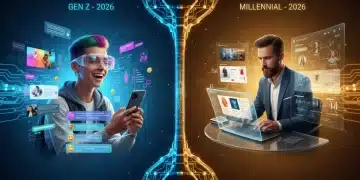
Gen Z vs. Millennials: 2026 Digital Habits Breakdown US
The landscape of digital interaction in the US is continually reshaped by generational shifts. This report offers an in-depth look at the distinct digital habits of Gen Z and Millennials in 2026, providing crucial insights into their usage patterns and preferences. Understanding these differences is vital for businesses and marketers aiming to connect effectively with these key demographics.

The 2026 Digital Divide: US Broadband Access & Financial Impact
The 2026 Digital Divide highlights persistent disparities in US broadband access, with 15% of households still underserved. Recent updates reveal significant financial implications and renewed efforts to bridge this critical connectivity gap. Understanding these developments is crucial for policymakers and communities alike.

The 72-Hour Meme Lifecycle: How Hyper-Fast Internet Humour Is Transforming US Pop Culture Consumption
The 72-hour meme lifecycle is profoundly reshaping US pop culture consumption. This rapid phenomenon dictates how trends emerge, peak, and fade, impacting everything from celebrity endorsements to political discourse. Understanding this accelerated cycle is crucial for navigating modern digital culture.
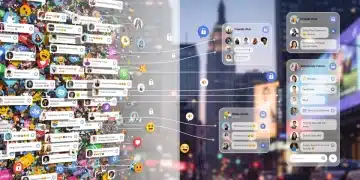
Alert: Why 62% of US Digital Discourse Has Shifted from Public Feeds to Gated Micro-Communities in 2026
The shift of 62% of US digital discourse to gated micro-communities by 2026 marks a significant evolution in online interaction. This trend redefines public dialogue, emphasizing privacy and curated information. Understanding this change is crucial for citizens, policymakers, and digital platforms alike.

Beyond Doomscrolling: Gen Z’s Dumbphone Challenge Reshapes Internet Culture
The 28-Day 'Dumbphone' Challenge is significantly reshaping Gen Z internet culture across America. This movement encourages a break from constant digital immersion, fostering mindful engagement and reducing doomscrolling habits. It represents a growing trend towards reclaiming digital well-being among young adults.
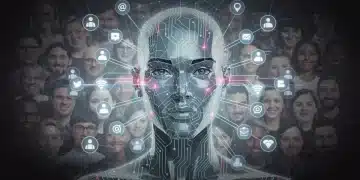
The Ethics of Synthetic Persona Adoption: Why 42% of US Online Communities Are Rejecting Fully Automated Influencers
The growing unease surrounding synthetic persona adoption reveals a significant ethical dilemma within US online communities. A striking 42% are now actively rejecting fully automated influencers, signalling a clear demand for authenticity. This trend underscores crucial questions about trust, transparency, and the future of digital interaction.

Navigating the Fediverse: Algorithmic Independence for US Creators
The shift towards algorithmic independence is accelerating, with 38% of American digital creators Navigating the Fediverse. This movement seeks to mitigate traditional platform control, offering new avenues for content distribution and community building. Understanding these dynamics is crucial for both creators and consumers.

First-Party Data Monetisation: How US Online Publications Lift Ad Yield by 22% Without Third-Party Cookies
US online publications are significantly boosting ad yield by 22% through advanced First-Party Data Monetisation strategies, navigating the imminent demise of third-party cookies. This shift empowers publishers to leverage proprietary audience insights for more effective advertising.