January 2026 Viral Forecast: Predicting US Social Media Sensations
The January 2026 Viral Forecast offers a crucial look into emerging social media sensations across the US, providing insights into platforms and content. This analysis helps users understand the shifting digital landscape and anticipate key trends. It offers a strategic overview for content creators, marketers, and avid social media users.
Is Your Content Shareable? A Comparison of 2025 vs. 2026 Viral Metrics in the United States
The landscape of content shareability is rapidly evolving in the United States, with significant shifts anticipated between 2025 and 2026. This analysis delves into key viral metrics, providing crucial insights for marketers and content creators to optimize their strategies. Understanding these changes is vital for maintaining relevance and maximizing audience engagement.

The Unexpected Virality of ‘Slow Content’: A 2026 US Trend Report and Its Financial Impact
A 2026 US trend report reveals the unexpected virality of 'slow content', challenging traditional fast-paced digital strategies. This shift has significant financial implications for creators and businesses, demanding a re-evaluation of current content models. Understanding this phenomenon is crucial for future digital success.
Decoding Gen Z’s Viral Consumption: US Brands 2026 Engagement
This report delves into Gen Z Viral Consumption, offering critical insights for US brands aiming for 2026 engagement. We explore the mechanisms behind viral content, Gen Z's unique digital behaviors, and actionable strategies to connect authentically with this demographic, ensuring future marketing success.
The Viral Loop: A Step-by-Step Breakdown of How Content Achieves 1 Million US Views in Under 48 Hours
This report delves into the intricate mechanisms of the viral content loop, revealing how content achieves rapid, widespread distribution. We explore the key factors and strategic approaches that propel digital content to over 1 million US views in under 48 hours, offering crucial insights for creators.
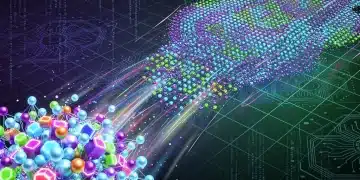
From Niche to National: 15% Micro-Trend Growth by 2026
The phenomenon of micro-trends going mainstream is accelerating, with a projected 15% growth by 2026. This shift profoundly impacts consumer behaviour and market strategies, requiring businesses to adapt swiftly. Understanding this dynamic is crucial for anticipating future market landscapes and consumer demands, ensuring relevance and competitive advantage.
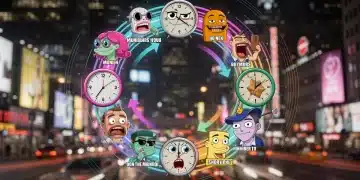
The 72-Hour Meme Lifecycle: How Hyper-Fast Internet Humour Is Transforming US Pop Culture Consumption
The 72-hour meme lifecycle is profoundly reshaping US pop culture consumption. This rapid phenomenon dictates how trends emerge, peak, and fade, impacting everything from celebrity endorsements to political discourse. Understanding this accelerated cycle is crucial for navigating modern digital culture.
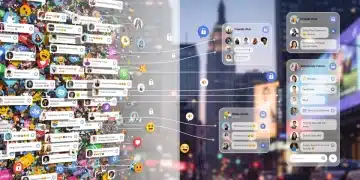
Alert: Why 62% of US Digital Discourse Has Shifted from Public Feeds to Gated Micro-Communities in 2026
The shift of 62% of US digital discourse to gated micro-communities by 2026 marks a significant evolution in online interaction. This trend redefines public dialogue, emphasizing privacy and curated information. Understanding this change is crucial for citizens, policymakers, and digital platforms alike.

Beyond Doomscrolling: Gen Z’s Dumbphone Challenge Reshapes Internet Culture
The 28-Day 'Dumbphone' Challenge is significantly reshaping Gen Z internet culture across America. This movement encourages a break from constant digital immersion, fostering mindful engagement and reducing doomscrolling habits. It represents a growing trend towards reclaiming digital well-being among young adults.
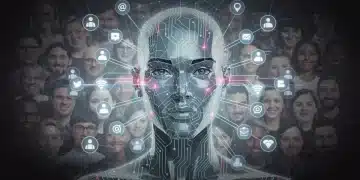
The Ethics of Synthetic Persona Adoption: Why 42% of US Online Communities Are Rejecting Fully Automated Influencers
The growing unease surrounding synthetic persona adoption reveals a significant ethical dilemma within US online communities. A striking 42% are now actively rejecting fully automated influencers, signalling a clear demand for authenticity. This trend underscores crucial questions about trust, transparency, and the future of digital interaction.

Navigating the Fediverse: Algorithmic Independence for US Creators
The shift towards algorithmic independence is accelerating, with 38% of American digital creators Navigating the Fediverse. This movement seeks to mitigate traditional platform control, offering new avenues for content distribution and community building. Understanding these dynamics is crucial for both creators and consumers.
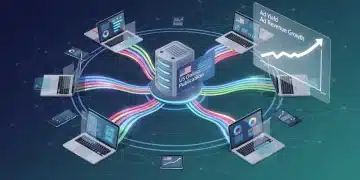
First-Party Data Monetisation: How US Online Publications Lift Ad Yield by 22% Without Third-Party Cookies
US online publications are significantly boosting ad yield by 22% through advanced First-Party Data Monetisation strategies, navigating the imminent demise of third-party cookies. This shift empowers publishers to leverage proprietary audience insights for more effective advertising.